White Background vs Lifestyle Product Photos: Which Does What
One gets your listing approved, the other gets it bought. What each type of shot is actually for, how many of each a product page needs, and the order to produce them in.
Sellers often ask which is better, a clean shot on white or a lifestyle scene. It is the wrong question. They are answering different things, and a product page that skips either one is leaving something unanswered.
The white shot answers "what is it"
A product on a plain white background is a specification. Nothing competes with it, so shape, colour and proportion read immediately, and the same framing across a category page lets a shopper compare six products without the backgrounds arguing with each other.
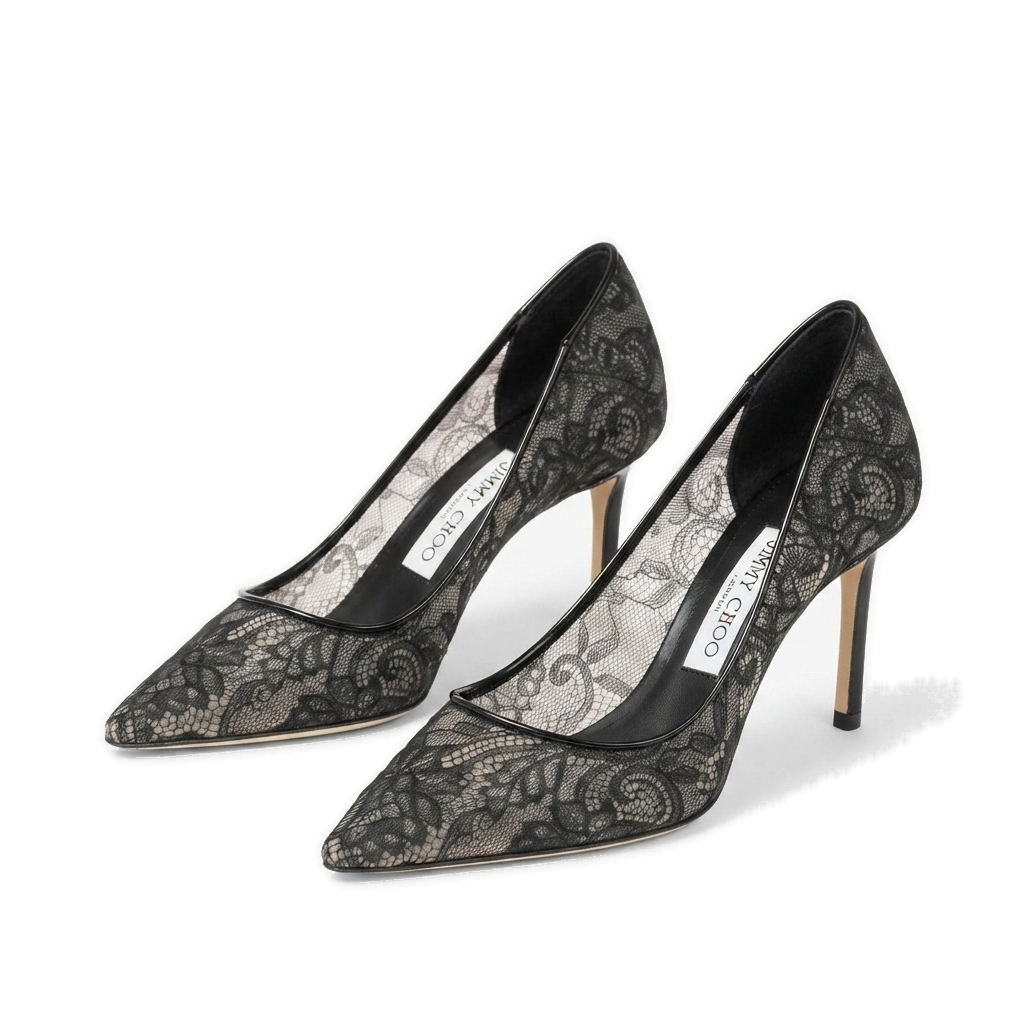
It is also the only image most marketplaces have hard rules about. Amazon wants the main image on pure white, and measures it. That makes the white shot a threshold rather than a choice: without one you are not selling at all.
The lifestyle shot answers "what is it like"
A product in a real setting is an argument. It shows scale — how tall that heel really is once it is worn — and it shows context, which is what lets someone picture the thing in their own life rather than on a shelf.

Nothing about a lifestyle image is required by anyone. It is the half that persuades, which is exactly why the listings that convert have several and the listings that merely comply have none.
What each is for, side by side
| White background | Lifestyle | |
|---|---|---|
| Answers | What is it | What is it like to own |
| Required by marketplaces | Yes, for the main image | No |
| Best at | Comparison, detail, specification | Scale, context, desire |
| Where it wins | Search results, category grids | Product page, ads, social |
How many of each
A listing that does its job usually looks like this: one white-background main image, one or two more white shots from other angles, then three or four lifestyle and detail images carrying the rest.
The ratio surprises people. The required image is one of eight; the other seven are doing the selling. Most catalogs get this backwards — they produce the compulsory shot, publish, and never come back.
The order to make them in
Start with the white shot, for two reasons. It is the one that blocks publication, so it removes the deadline. And it is the cleanest record of what the product actually looks like, which makes it the best source for everything after it — the angles, the scenes, the close-ups.
If you are producing rather than shooting them, that order matters more: make the white-background image first, check it against the real product, and generate the lifestyle scenes once you are sure the colour and detail carried through.
The takeaway
White backgrounds are a threshold and lifestyle images are the persuasion. One gets you listed, the other gets you bought, and a product page needs both — in that order, in about that ratio.
Turn one photo into a full set
Upload a single product photo and get studio-quality scene, model and close-up images in seconds.
Try imagvero free