Guides and ideas for better product photos and faster listings.
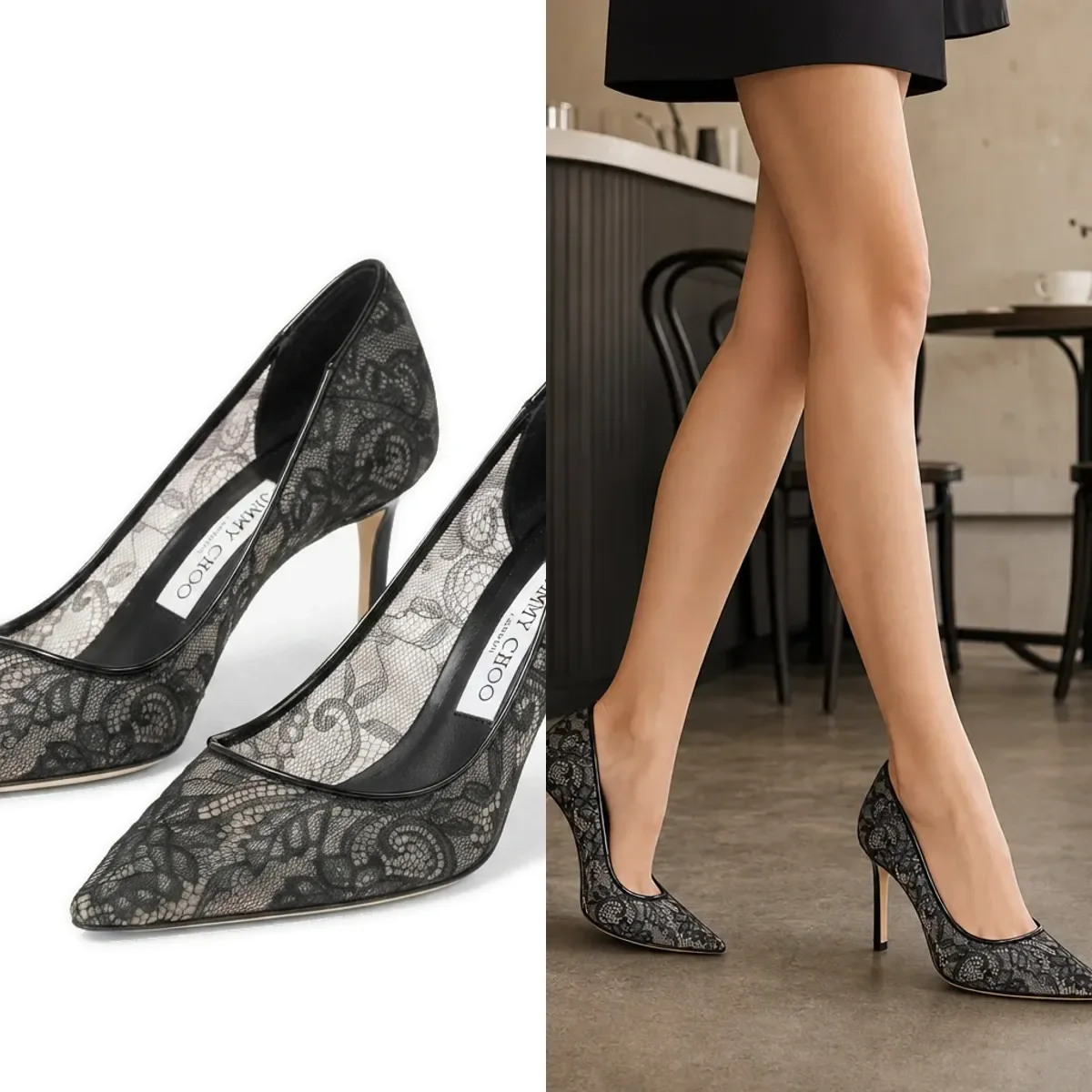
White Background vs Lifestyle Product Photos: Which Does What
One gets your listing approved, the other gets it bought. What each type of shot is actually for, how many of each a product page needs, and the order to produce them in.

Generating Pure White Background Images from Product Photos in 2026: Which Apps Work Best? Five Tools Compared
Photoroom, imagvero, Pixelcut, remove.bg and Adobe Express compared on white-background quality, ease of use, batch processing, multi-angle generation and price — so you can see which one fits your product images.
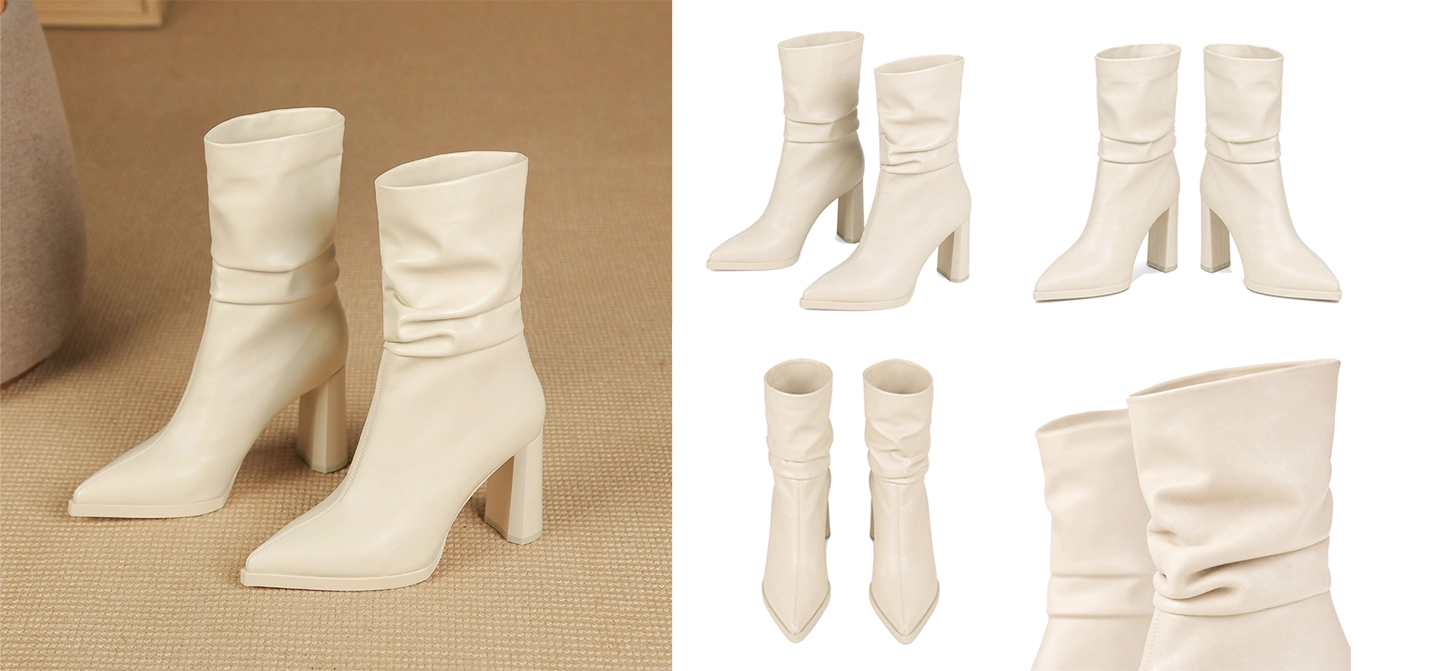
How to Make White-Background Product Photos Marketplaces Actually Accept
Amazon and most marketplaces sample your main image's background and want RGB 255 — not something that looks white. Here is how to produce one from a photo you already have, and the traps that get a listing bounced.
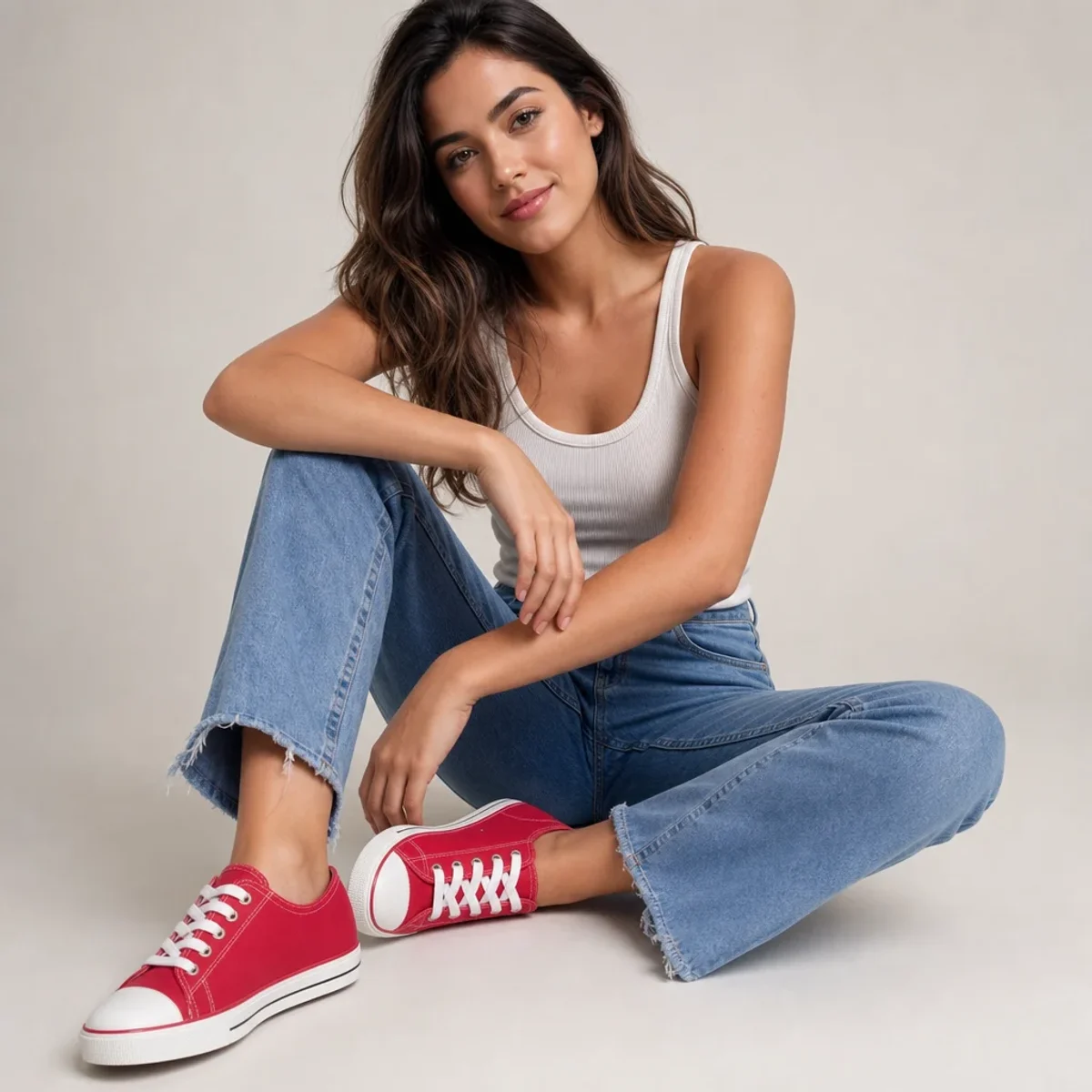
One Phone Photo, a Whole Set of Product Images
A snapshot of a pair of sneakers on a desk becomes a white-background catalogue shot, an on-model image and a daylight lifestyle scene — in about a minute, with no studio and no photographer.
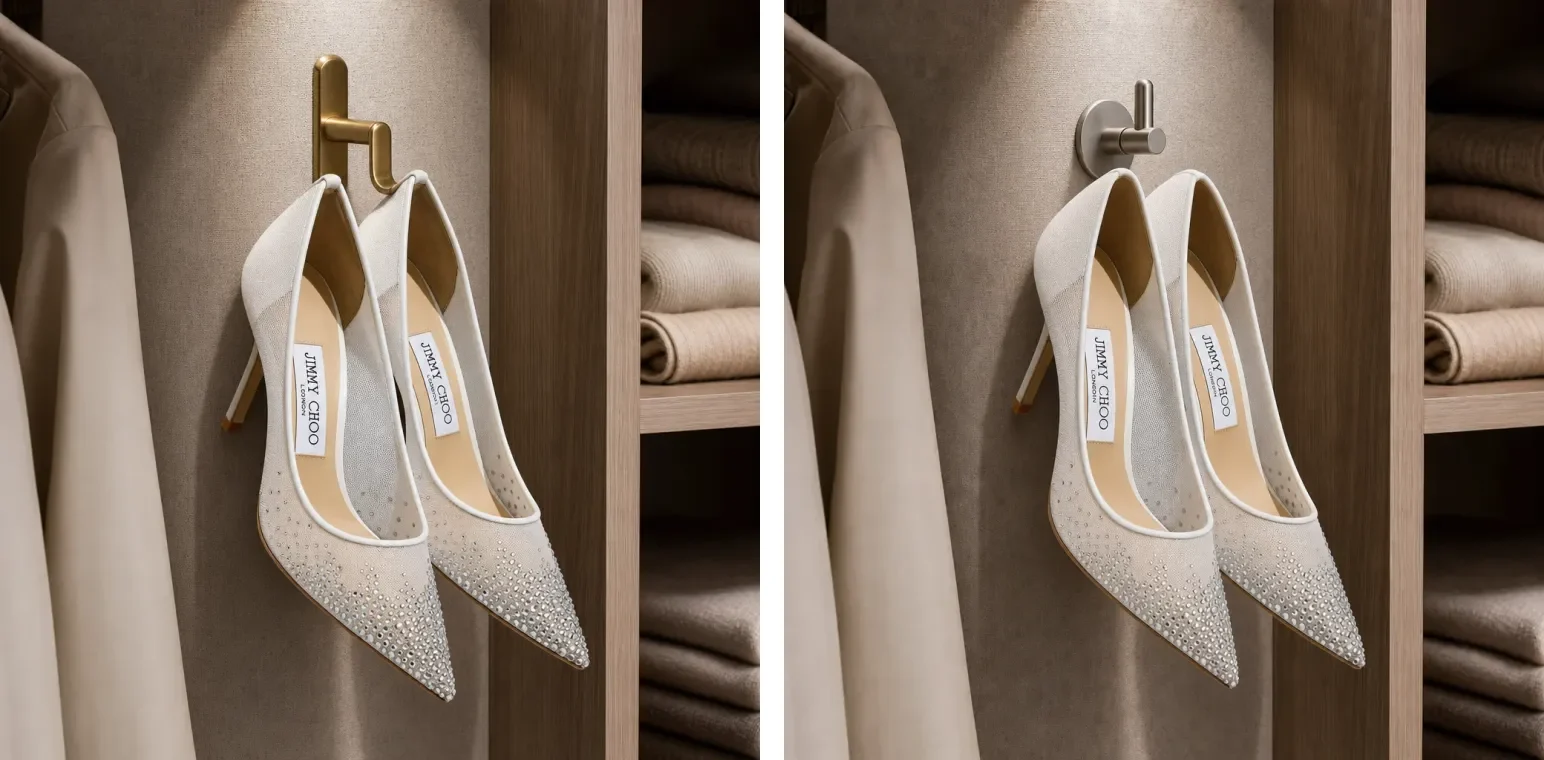
One Corner Went Wrong: How to Fix Part of a Generated Photo
When nine tenths of an AI product photo is right and one corner is not, you do not have to start over. Here is how to redraw just that part in imagvero, and the three places you can start from.
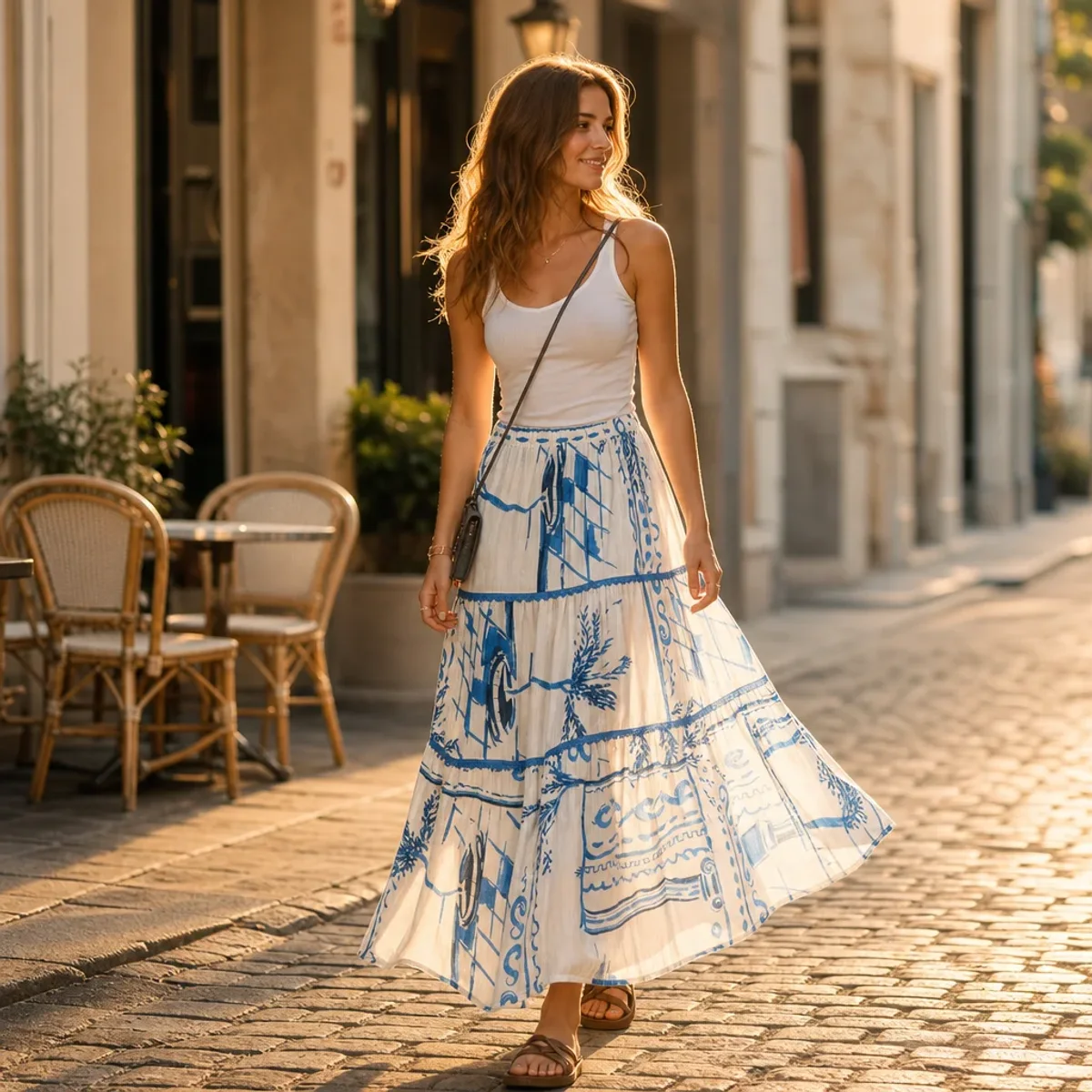
How to Get Shopify Clothing Scene Images Quickly and Cheaply
Scene and on-model shots lift conversion the most on a Shopify clothing store — and cost the most to produce. Here's how to get them from a single flat-lay, without a shoot.
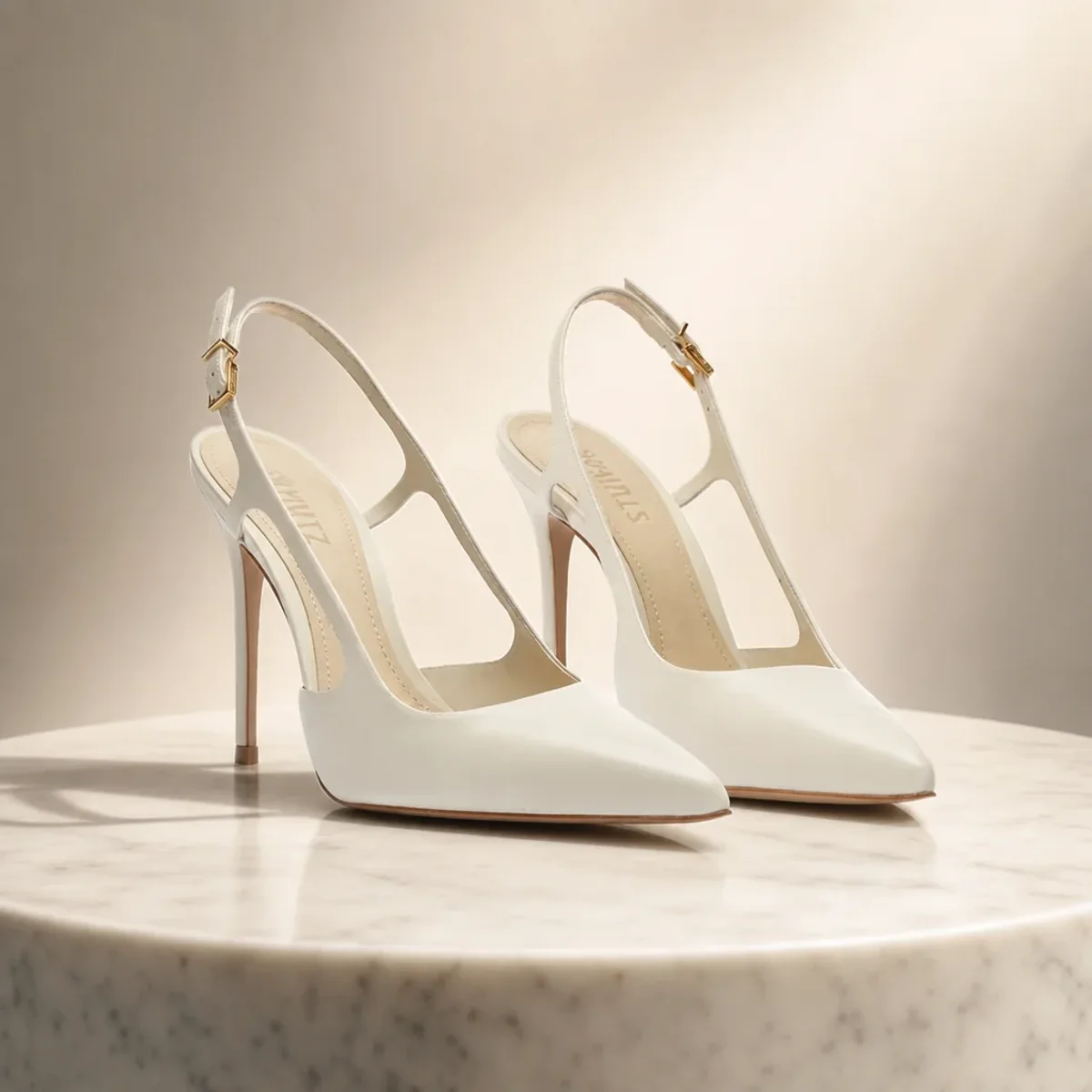
White-Background Product Photos: Why They Matter and How to Get Them
Clean white-background shots are the baseline for marketplaces and a tidy catalog. Here's why they convert, how to shoot them, the mistakes to avoid, and a faster way to produce them at scale.
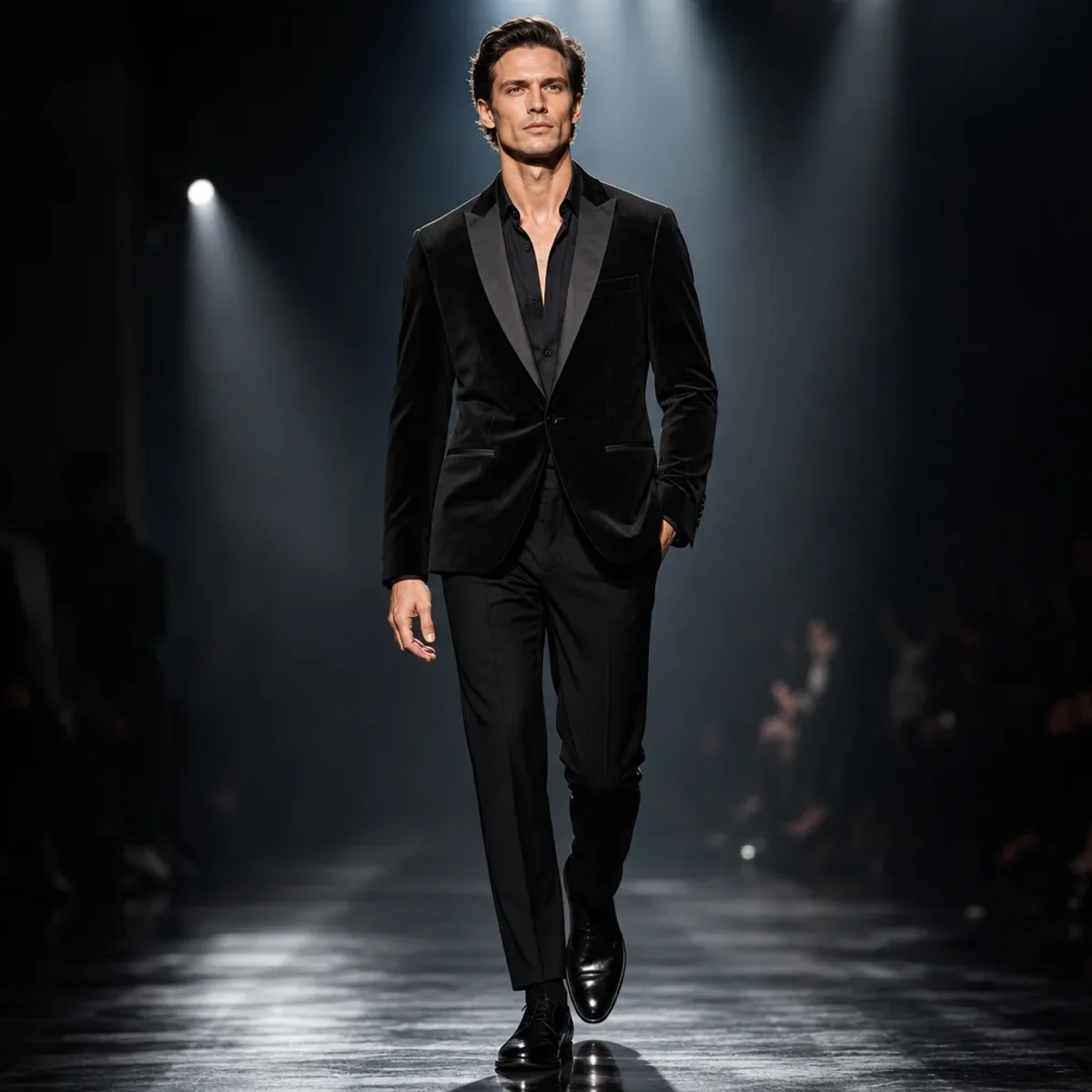
What a Product Photo Shoot Really Costs (and a Faster Way)
The real cost of a product photo shoot isn't just the invoice — it's studio time, models, editing, reshoots, and the weeks your products aren't live. Here's the full math, and when generating from one photo wins.
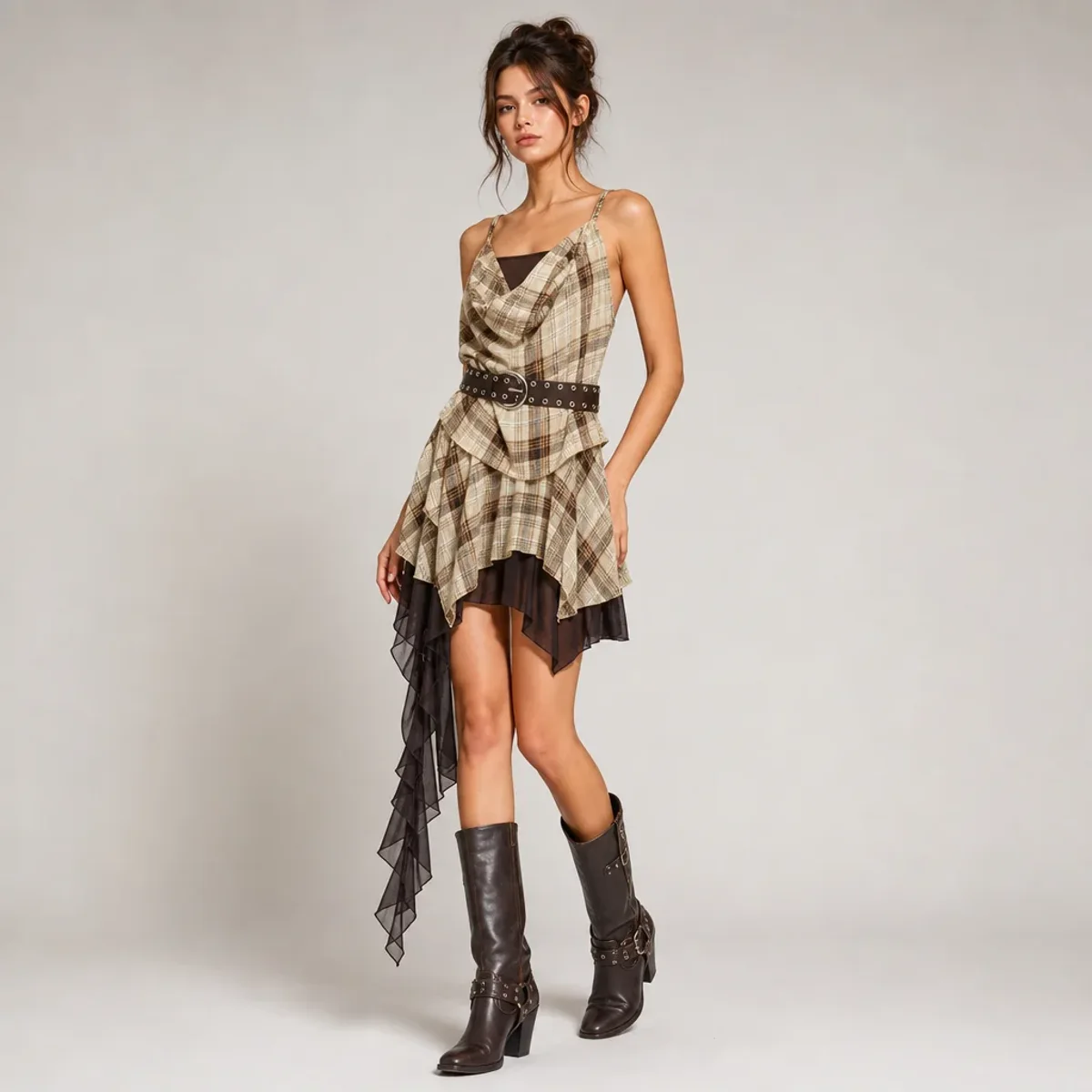
How to Get On-Model Product Photos Without a Photoshoot
On-model shots lift apparel conversion but cost the most to produce. Here's how to get believable on-model images from a flat-lay or hanger photo — no models, studio, or shoot day.

Lifestyle Product Photography: How to Make Shoppers Picture Owning It
Lifestyle images give a product context and desire that white-background shots can't. Here's what makes them work, how to plan them, and how to produce them from a single photo.
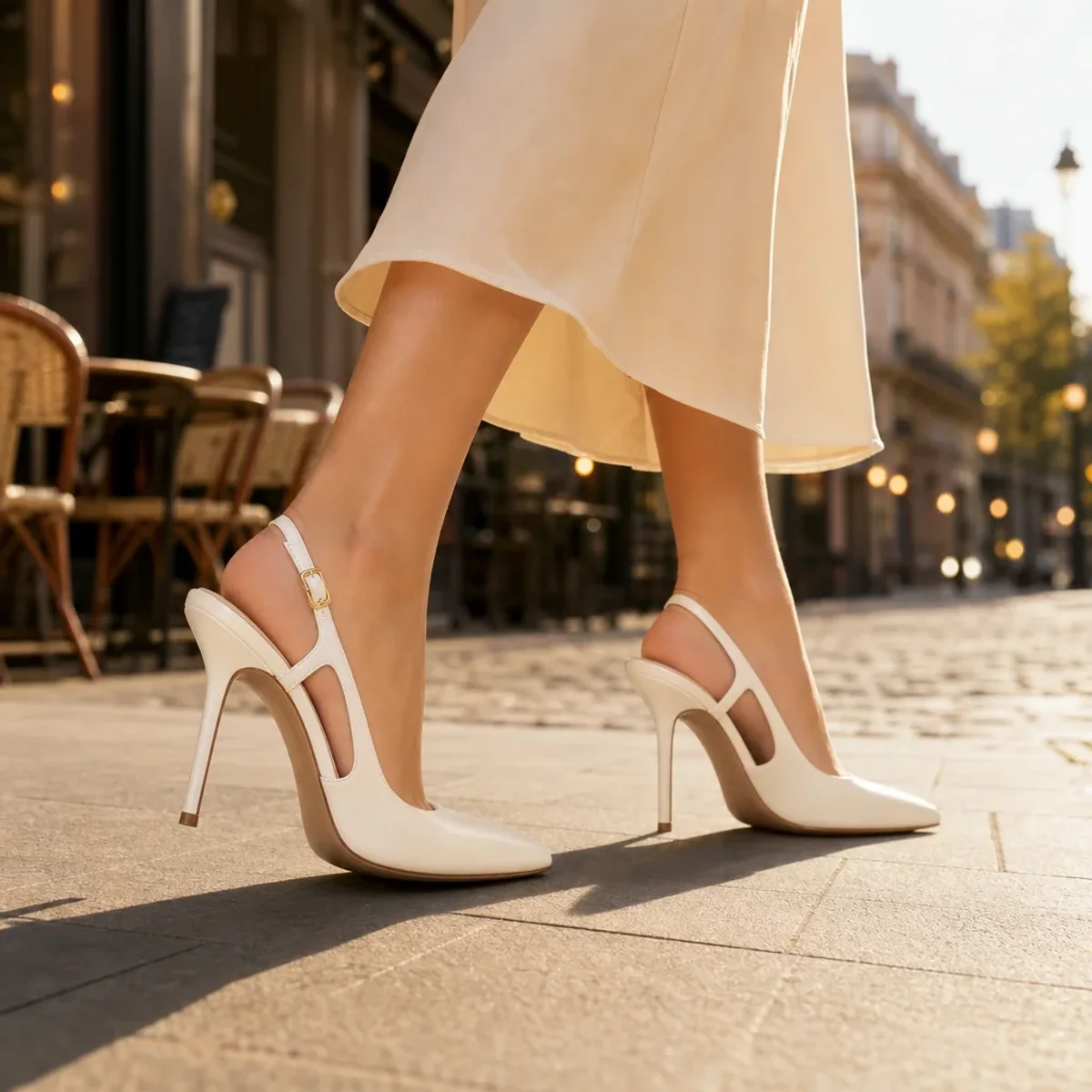
Can You Use ChatGPT or Gemini to Generate Product Photos?
General AI tools can turn a product photo into a scene — but prompt engineering, inconsistent results, and fidelity drift make them painful for a real catalog. Here's where they fall short and what a purpose-built tool does differently.
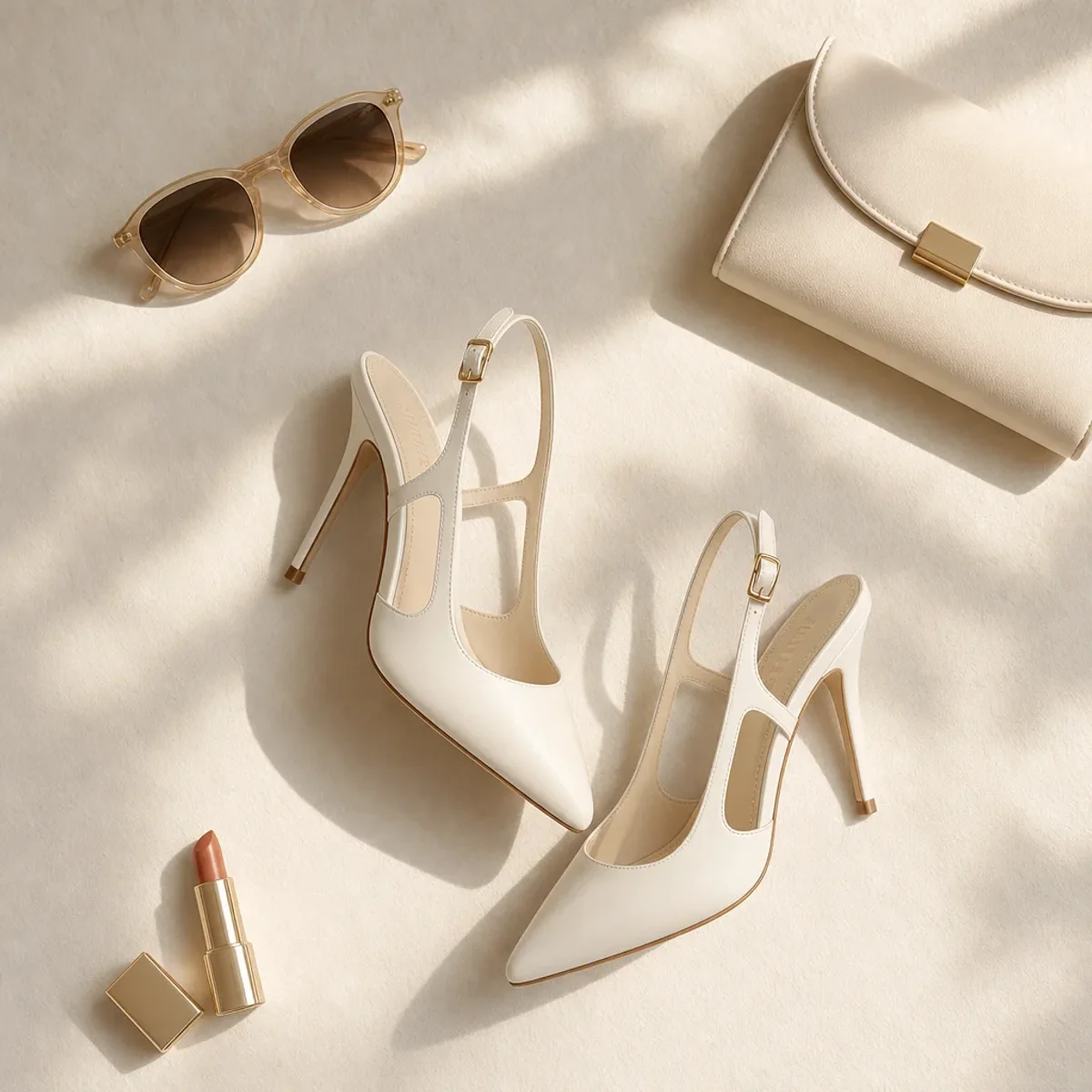
Amazon Product Image Requirements: A Practical Guide
Amazon's main-image rules in plain English — white background, fill ratio, size, formats — plus the secondary images that actually convert, and how to produce a compliant set fast.